Field notes
What Nobody Tells You About Your First Glamping Trip
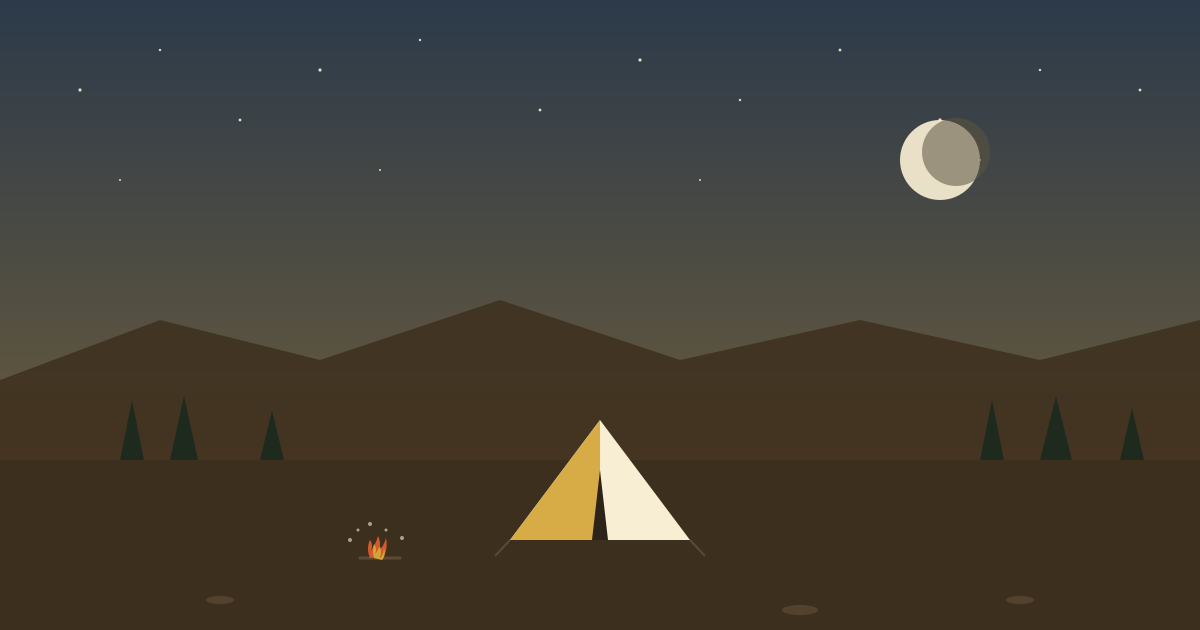
The Honest Truth About Your First Glamping Trip
The smell of scorched chili oil still clung to my fleece jacket as I crouched over a sputtering camp stove in the Arizona high desert, the wind threatening to snatch the blue flame away entirely. I’d envisioned sizzling ribeye under a canopy of stars, but the reality was a dented pot of instant ramen, its seasoning packet dancing across the red dirt while I fumbled for a lighter that had vanished into the pocket of my puffy coat. My girlfriend handed me a fork, silent, as a dust devil spun our napkins toward a juniper. That was the moment the glossy Instagram fantasy of glamping met the grit of an actual desert night.
That night, I learned a hard lesson. Glamping isn’t just camping with a better bed. It’s an unpredictable, humbling, and often hilarious adventure. But here’s the thing—I’ve now stayed in dozens of glamping properties across the US, and I’ve come to love the messiness of it all. So let me tell you what nobody tells you. Be prepared, not scared.
1. Nobody Tells You About the Generator Hours
My first night, I assumed electricity would be 24/7. Wrong. At 9:55 PM, the lights flickered. The heater groaned. Then—silence. My phone was at 10%. I had to use my car to charge it the next morning. Now I always check the listing for generator schedules. On glamping.directory, you can filter for sites with full-time power or solar setups. For off-grid places, bring a power bank and a headlamp. And if you’re booking a site with limited generator hours, plan your evening activities accordingly—charge everything during the window.
2. Nobody Tells You About the Bugs (Everywhere)
Even “luxury” safari tents have gaps. In the Carolinas, I woke up with three mosquito bites on my forehead. In Texas, a cricket took up residence in my coffee mug. The secret? Real glampers pack a portable bug zapper and use permethrin-treated clothing. Also, check if the site provides mosquito nets—many do, but not all. On glamping.directory, reviews often mention bug levels, so read them. And avoid booking a site next to a swamp in July unless you’re prepared.
3. Nobody Tells You the “Glam” Is Relative
I once paid $300 a night for a yurt. It had a composting toilet and a single propane burner. The “king bed” was two twin mattresses pushed together. The “shower” was a solar bag hanging from a tree. Was it glamorous? Not by hotel standards. But it was magical. The trick is to adjust your expectations. Glamping isn’t the Ritz—it’s a step up from a tent. Use glamping.directory’s amenity filters to find exactly what you want: private bathroom, full kitchen, hot shower. And don’t trust marketing photos; read the descriptions carefully.
4. Nobody Tells You About Cell Dead Zones
I assumed I’d have cell service at a glamping site in Colorado. Nope. I ended up driving 20 minutes to a gas station to send a text. Now I download offline maps, bring a paper book, and let people know I’ll be off-grid. Many sites advertise “disconnect to reconnect,” but it’s a shock if you’re not prepared. On glamping.directory, listings often mention cell service availability. If it’s crucial, filter for sites with WiFi or near towns.
5. Nobody Tells You the Weather Will Win
Even in summer, mountain nights can freeze. In Oregon, I shivered in a yurt that had a space heater but no insulation. The solution? Layers, a good sleeping bag, and a hot water bottle. Check the forecast and pack for 10 degrees colder than predicted. Also, look for properties with wood stoves or reliable heating—reviews on glamping.directory will tell you if a place is drafty.
6. Nobody Tells You About the Shared Amenities
I booked a “luxury” glamping site in Florida that shared a single bathroom between 10 tents. The line at 7 AM was brutal. Now I always check if the bathroom is private or shared, and how many units share it. On glamping.directory, you can filter for private bathrooms. And if you’re okay with shared, bring a robe and flip-flops.
7. Nobody Tells You It’s Still Camping
Glamping is camping with a comfier bed. You’ll still get dirt under your nails. You’ll still have to chop wood. You’ll deal with unexpected rain. But that’s the beauty of it. The best glamping moments happen when you embrace the chaos—like the night a raccoon stole our marshmallows, but we laughed until we cried.
So go ahead, book that yurt or treehouse. Just pack your sense of humor and a headlamp. And if you’re looking for a reliable first-time experience, check out glamping in Vermont where many sites have full power and real beds. Trust me, your first glamping trip will be memorable—for all the right reasons, if you’re prepared.
Frequently asked questions
What should I pack for glamping?
Pack layers, bug spray, a headlamp, and a backup power bank. Many glamping sites lack cell service and have limited generator hours, so prepare for off-grid living.
Is glamping really glamorous?
Not always. You'll face bugs, weather, and basic amenities. But the trade-off is a unique, immersive outdoor experience with comfort upgrades like real beds and electricity.
How do I choose the right glamping site?
Use glamping.directory to filter by amenities like full kitchen, private bathroom, or pet-friendly. Read recent reviews to avoid surprises.
What about bugs and wildlife?
Expect mosquitoes, flies, and possibly raccoons. Bring bug repellent and keep food sealed. Some sites provide screened tents or cabins for extra protection.
Do I need to bring my own bedding?
Most sites provide beds and linens, but check the listing. Some bell tents or safari tents supply sleeping bags, while cabins have full bedding.
How do generator hours affect my stay?
Many off-grid sites run generators for limited hours (e.g., 6-10 PM). Plan to charge devices and use lights during that window, or bring solar chargers.
Can I cook at a glamping site?
Yes, but facilities vary. Some have full kitchens, others have camp stoves or fire pits. Check listings for kitchen access and bring your own cooking gear if unsure.