Field notes
Tired of Pitching a Tent in the Dark? There's a Better Arrival
My First Glamping Trip Almost Broke Me
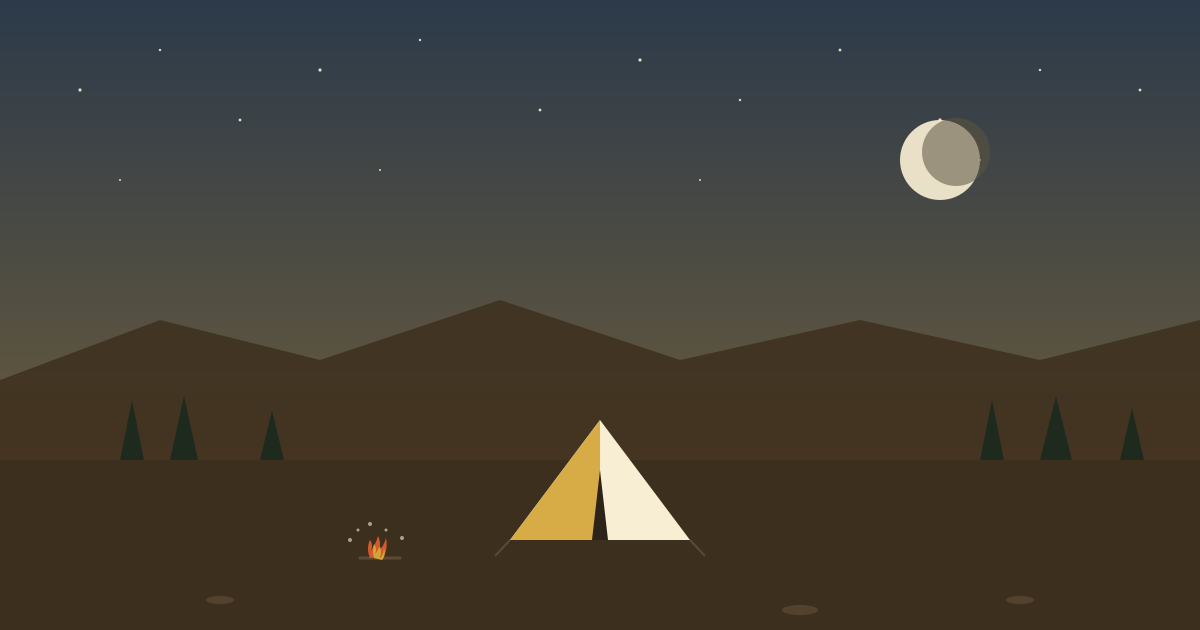
The mesquite smoke had barely cleared when I anchored the cast iron skillet on the propane stove, the familiar hiss of flame cutting through the high desert silence. A coil of night air, sharp with juniper and cold stone, slipped under the canvas flap as I cracked an egg against the rim, watching its yolk split and bloom across the sizzling butter. My partner had already claimed the Adirondack chair facing the Fossil Creek drainage, a silhouette against the last bruise of sunset, and I realized I hadn’t once fumbled for a headlamp or cursed a bent tent pole. This was arrival—not a battle.
That night, we never fully sealed the rainfly. I woke up at 3 a.m. in a puddle, shivering, swearing I’d never do this again. And I didn’t—at least, not the way I used to.
For years, I thought the misery of arrival was just part of camping. You drive three hours, unload the car, then wrestle with tangled tent poles, missing stakes, and a rainfly that somehow has eight corners but only six attachment points. By the time you’re done, you’re grumpy, your back hurts, and you’ve lost any sense of wonder. The campfire? Who cares. You just want to sleep.
But here’s the thing: it doesn’t have to be that way. There’s an alternative that makes the entire experience about relaxation from the moment you park your car. I’m talking about turnkey tents—pre-set safari tents, bell tents, and other glamping accommodations that let you arrive and relax without the labor.
I learned this lesson the hard way over a dozen trips. I tangled poles in the dark, I snapped a pole in a windstorm, I spent two hours trying to pitch a tent on a sloping, root-filled site. And every time, I thought about how the couple 50 feet away was sipping wine in their pre-set bell tent, laughing by a propane fire pit. They’d arrived two hours after me and were already lounging.
Now I’m that person. I’ve traded in the tent setup struggle for the “walk in and drop your bag” experience. And I’ve written this guide to help you do the same—whether you’re a total rookie or a seasoned camper who’s just tired of the drudgery.
Why the “Arrive and Build” Model Is Broken
The fundamental problem with traditional tent camping is that you arrive at your destination in your most tired, vulnerable state—and that’s the exact moment you’re asked to perform a complex physical task. You’ve been driving, maybe in traffic, maybe through weather. You’re hungry, you need a bathroom, and your patience is thin. Setting up a tent under those conditions is a recipe for misery.
Plus, even if you’re an expert, a tent setup takes 15-20 minutes in good conditions. In the dark, with wind or rain? That can stretch to an hour. And if you’re a beginner, add another 30 minutes of fumbling.
Meanwhile, glamping properties have your tent fully set up, beds made, and often a heater turned on. You walk in, put your bag on a chair, and start your evening. That’s the difference between a chore and a vacation.
The Turnkey Tent: Your Arrive-and-Relax Solution
I’ve stayed in dozens of glamping accommodations, and the two most common turnkey tent types are safari tents and bell tents. Here’s my take on each:
Safari Tents: These are the luxury option. They have high ceilings, a wooden floor, and often a separate bedroom and living area. You get a real bed with linens, electricity (usually), and sometimes a private bathroom. Think of it as a canvas cabin. I’ve stayed in safari tents at Under Canvas in Moab and AutoCamp in Sonoma, and the experience is genuinely comfortable—like a hotel room with a view, but under canvas. The downside is the price: $250-$400 per night, depending on the season.
Bell Tents: These are cozier and usually more affordable ($150-$250). They have a single room with a bed or cots, often with a rug and some furniture. I’ve used bell tents at smaller glamping sites and festivals, and they’re perfect for a couple or a solo traveler. They’re easier to heat (some have wood stoves) and feel more intimate. My personal favorite is the Canvas & Company bell tent setup at the Resort at Paws Up in Montana—though that’s on the high end.
Both types are pre-installed. You never touch a pole. You never unroll a rainfly. You just show up.
How to Choose Your First Glamping Stay
If you’ve never glamped before, start with a bell tent or safari tent property that’s close to home—maybe a 90-minute drive max. That way, if you hate it, the drive back is short. (You won’t hate it.)
I recommend filtering for “turnkey” or “pre-set” on glamping.directory, then reading reviews about the beds and heating. A good property will have: a real mattress, linens (not sleeping bags), a heat source (wood stove or electric heater), and a lockable door if you’re nervous about security.
For a full beginner guide, see our glamping trip for someone who’s never camped article—it covers everything from packing to booking.
My Personal Turnkey Favorites
I’ve stayed at three brands that nail the arrive-and-relax experience:
Under Canvas: Multiple locations near national parks (Moab, Glacier, Zion). Their safari tents are spacious, with wood stoves, private bathrooms, and a campfire area. The vibe is upscale but outdoorsy.
AutoCamp: Locations in Sonoma, the Catskills, and Cape Cod. They mix Airstream trailers with safari tents, but the tents are my favorite—perfect for a couple’s getaway. They have a communal lounge and heated pools.
Collective Retreats: Their Hill Country location in Texas is stunning. The tents have king beds, outdoor soaking tubs, and in-room coffee. It’s basically a luxury hotel made of canvas.
Yes, these are splurges. But for a weekend, the cost is worth skipping the misery.
Pro Tips for a Smooth Arrival
Even with a turnkey tent, a little planning makes all the difference:
- Arrive before dark if you can. Even though the tent is pre-set, you want to see your surroundings. Plus, sunset over a canyon is better than headlamp navigation.
- Bring a camp chair. Some glamping sites provide them, but many don’t. Having your own chair means you can sit by the campfire immediately.
- Pack a Yeti. A thermos with coffee or hot chocolate is a lifesaver on a cold morning before the heater kicks in.
- Check for electricity. If your tent has power, bring a fan for summer or a small heater for winter (if allowed). If not, bring a power bank for your phone.
The Bottom Line
I still remember that night in Oregon, soaked and shivering, vowing change. Now, every glamping trip starts the same way: I pull into the driveway, walk into my pre-set tent, and let out a sigh. No poles. No stakes. No struggle.
If you’re tired of pitching a tent in the dark, stop doing it. There’s a better way—and it’s waiting for you under canvas.
Ready to try? Start browsing bell tents and safari tents or read our guide for first-time glampers. Your future self—the one who arrives relaxed—will thank you.
Frequently asked questions
What's the hardest part of setting up a tent in the dark?
It's a perfect storm: your headlamp casts confusing shadows, tent poles tangle easily, and you can't see the ground for rocks or roots. With each mistake—like threading a pole through the wrong sleeve—your frustration mounts, turning a 15-minute task into an hour-long ordeal.
How can I avoid tent setup hassle altogether?
Choose a turnkey accommodation like a safari tent or bell tent, which are already fully set up before you arrive. At glamping properties, you simply walk in, drop your bags, and start relaxing—no poles, stakes, or rainfly wrestling.
What's the best type of tent for glamping?
Safari tents are spacious with high ceilings and often have wood floors and furnishings—perfect for comfortable indoor/outdoor living. Bell tents are cozier and more affordable, still offering a real bed and a warm atmosphere. Both are pre-installed and take zero setup time.
What should I bring for a glamping stay?
Basically, just your clothes and toiletries. Most glamping sites provide beds, linens, towels, and basic kitchen gear. A few extras I always pack: a camp chair for lounging, a headlamp for nighttime walks, and a Yeti or thermos for hot drinks. Check if your site has electricity; if not, bring a power bank.
How do I find glamping sites near me?
Start with glamping.directory, which curates verified properties with detailed amenities. You can filter by tent type (safari, bell, yurt, cabin) and region. For a starter list, check our guide for someone who's never camped: /glamping. Also, specific brand listings like Under Canvas, AutoCamp, and Collective Retreats have multiple locations.
Is glamping more expensive than regular camping?
Generally, yes—think $150–$400 per night compared to $30–$60 for a campsite. But you're paying for the convenience of a pre-set tent, real bed, linens, and often electricity and private bathroom. For a weekend, it's a splurge that saves you hours of setup and teardown—and the misery of arriving exhausted.
Can I still feel like I'm camping with a turnkey tent?
Absolutely. You're still sleeping under canvas, hearing owls, and waking up to fresh air—just without the labor. Many glamping sites emphasize immersion: fire pits, outdoor cooking, starry skies. The difference is you arrive and instantly relax, which is the whole point of a getaway.