Field notes
The Night I Got Scared in a Yurt (and Made Peace With the Dark)
The 3 AM Noise
A yurt isn’t a building. Four years in the north Georgia mountains had taught me that, but I forgot the lesson the second I zipped myself in, alone, for the first real dark of my life. Not the dim of a city with streetlights bleeding through blinds, but a black so absolute it felt solid, like the air had turned to velvet and was pressing against my eyeballs. I was lying there, listening to the wood pop, when the silence itself started to feel heavy, a presence waiting just beyond the canvas. Then the thudding began. It wasn’t a branch, not an animal—it was too rhythmic, too deliberate.
I’d chosen this yurt because the listing promised “rustic luxury”—a queen bed, a wood stove, a skylight for stargazing. But at 3 AM, the skylight was just a black hole. The thudding got louder. I was convinced a bear was testing the walls.
The Spiral
I lay still, imagining worst-case scenarios. My brain, unhelpfully, listed every camping horror story I’d ever heard. I checked my phone: no service. The yurt’s emergency lantern was across the room. The thudding paused, then resumed faster. So I decided to act.
I grabbed the flashlight I’d thankfully packed (tip #1: always bring a headlamp and a backup). I unzipped the door a crack. The cold air hit my face. I shone the light toward the sound.
A branch. Just a thick, pine branch scraping the side of the yurt in the wind. The thudding? A loose stake line slapping the canvas. I laughed—nervously, but it broke the spell.
The Calm After
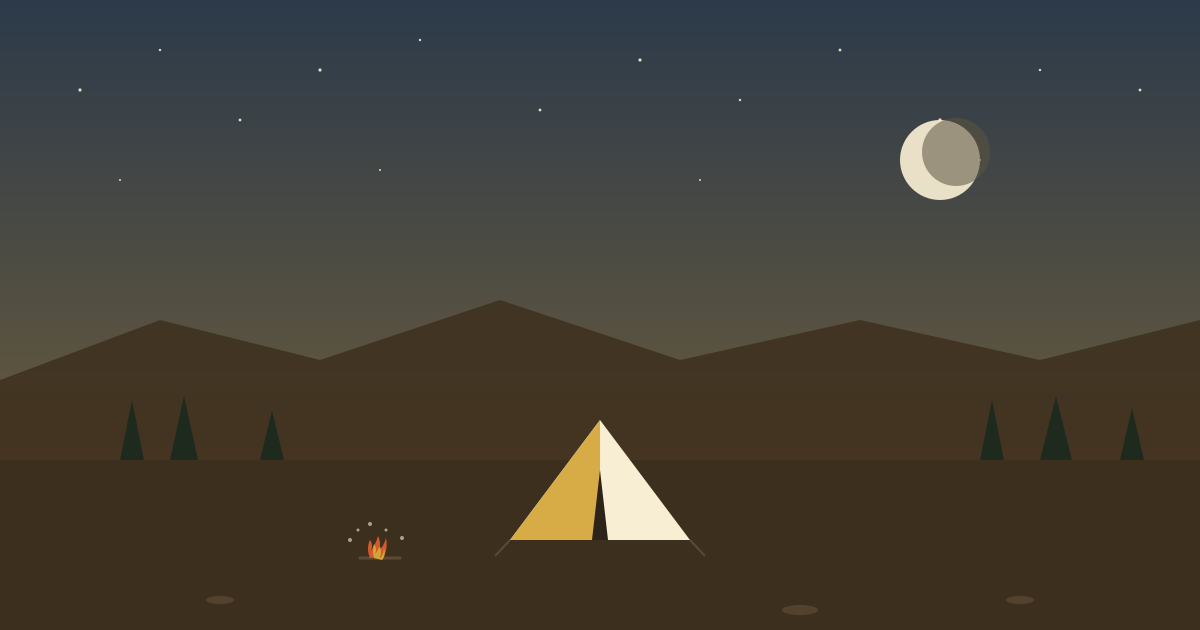
I stepped outside. The night was crisp, under 40°F, and absolutely beautiful. The moon was a sliver, but the stars were so dense they cast a faint light. I retightened the stake lines, double-checked the door latch, and crawled back into bed. The rest of the night, I listened to the wind and the occasional hoot of an owl—not threatening, but wild. I slept better than I had in months.
That experience taught me something: we fear the dark not because it’s dangerous, but because it’s unknown. Glamping, especially in a yurt, is a container for that fear. The soft canvas walls don’t block sound; they amplify it. The lack of electricity means true darkness. But that’s also the gift.
Why We Don’t Admit This Fear
In all the glossy Instagram posts and blog roundups, nobody talks about being scared. We’re supposed to be brave adventurers, effortlessly sleeping under the stars. But the truth is, a lot of us—seasoned campers included—feel a spike of anxiety when the sun goes down. I’ve talked to friends who’ve stayed in cabins and domes, and they’ve all had a moment. The difference between ruining the trip and making peace is preparation.
Two Tips You Won’t Find in a Generic Listicle
-
Pre-set your night space. Before dark, place your flashlight, water, phone, and a snack in a consistent spot. If you need to get up, you won’t be fumbling. Also, open the yurt’s door during the day to memorize the layout. It sounds basic, but when you’re half-asleep and panicked, knowing exactly where the door is makes all the difference.
-
Use a yellow or red light. White light shocks your eyes and makes the dark outside seem even blacker. A red or amber headlamp preserves your night vision and feels less harsh. Many glamping sites provide lanterns, but bring your own dimmable one.
The Real Safety of Glamping
So, is glamping safe at night? Yes—overwhelmingly so. Most yurts and tents have sturdy locks, and the properties are designed with safety in mind. The real risk is not from nature but from our own panic. Once I identified the noise, everything shifted. I now travel with a small toolkit (zip ties, extra stakes) and a mindset: the dark is not the enemy.
If you’re considering a yurt stay, don’t let fear stop you. A yurt is one of the most intimate ways to experience the outdoors—you hear the rain on the canvas, the deer walking past, the whisper of wind. That closeness is why I keep coming back to yurts in particular.
Making Peace
That Vermont morning, I woke to sunlight streaming through the skylight. I unzipped the door to find deer tracks all around the yurt—the culprit of the thudding was probably a raccoon or a passing doe. I made coffee on my camp stove and sat outside, feeling silly and proud. I had survived a night in the woods, not in spite of the fear, but because of it.
So, if you’re reading this and wondering if you’re brave enough, you are. Pack a headlamp, learn to love the dark, and book that yurt. The night will teach you something.
Frequently asked questions
Is glamping safe at night?
Yes, glamping is generally safe at night. Most sites have secure locks, lighting, and staff nearby. The fear is more psychological than physical.
What if I hear strange noises at night?
Strange noises are often animals like raccoons or deer. Keep food sealed, and remember that most wildlife avoids humans. Noise also comes from wind or structures settling.
How do I secure a yurt or tent from the inside?
Many yurts have interior latches or padlocks. If not, bring a small carabiner to loop the zippers together. Some sites also provide a door bar.
Should I bring a light source?
Absolutely. A headlamp or lantern is essential, especially if the site has no electricity. Test it before dark and keep it by your bed.
Can I leave the yurt to use the bathroom at night?
Yes, but bring a flashlight and know the path beforehand. Some sites have private bathrooms or composting toilets nearby. Many also supply a night light.
What about bears or other dangerous animals?
Bear encounters are rare in glamping, but follow food storage rules. Most sites provide bear-proof containers or lockers. Read the property's wildlife guidelines.
How do I overcome fear of the dark while glamping?
Start by accepting that fear is normal. Use a red-light lantern to preserve night vision, and focus on the sounds of nature—they're often calming once identified.