Field notes
Glamping Solo as a Woman: Safety, Sites, and Sleeping Soundly
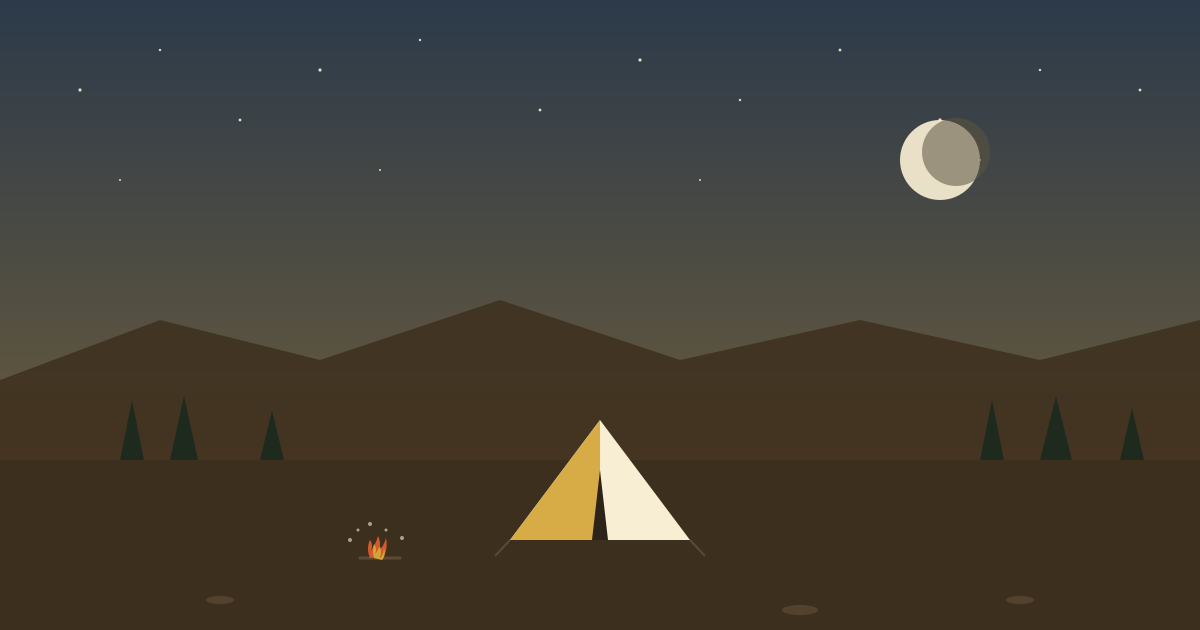
The woman on the phone wanted $350 for a canvas tent in western Montana, no electricity, a propane heater I’d have to light myself. I told her I’d pay $200. She laughed. I didn’t. I was alone, negotiating for a night of solitude in a place where the nearest town had one diner and a gas station that closed at six. That haggling wasn’t about the money—it was about proving I could claim my space before I even arrived. Since then, I’ve built a personal safety system that lets me sleep soundly in yurts, cabins, and domes from Vermont to Arizona. Here’s how I vet sites and protect my peace.
My Pre-Book Vetting Routine
Before I hit “Reserve,” I run every glamping property through a three-step check. First, I pull up Google Maps satellite view. I want to see exactly how close the nearest neighbor is, whether the access road looks maintained, and if there’s a visible light source nearby. A site that’s completely dark and isolated might be romantic for a couple. But for me alone? I prefer a place where I can spot at least one other structure or road within a quarter mile.
Second, I read every review—but I search specifically for keywords like “solo,” “alone,” “female,” and “safe.” If a single negative review comes from a woman traveling solo, I move on. I also look for comments about cell service. I need at least one bar for texting my check-in buddy.
Third, I message the host directly. I ask three questions: (1) Does the accommodation have a lock that works from the inside? (2) Do you live on the property? (3) What’s the emergency plan if I lose cell service? If a host doesn’t answer clearly or seems annoyed, that’s a red flag. A good host for solo travelers is responsive and detailed.
The Lock Situation
Here’s a tip you won’t find in a generic listicle: most glamping structures aren’t designed for security. Yurts often have a single latch that can be jimmied from outside. Safari tents rely on zippers that can be opened with a pen. Even some cabins have sliding bolts that don’t fully engage. I always bring a small padlock and a carabiner. For yurts with a hasp on the door frame, I thread the padlock through it. For tents, I use the carabiner to clip the zipper pulls together from inside, then thread a lock through the carabiner. It’s not Fort Knox, but it buys time and peace of mind.
Another trick I learned: if the door or flap has no lock at all, I wedge a doorstop alarm under it. These little devices are $10 on Amazon and emit a 120-decibel shriek if the door moves. I’ve used them in bell tents and treehouses. They’ve never failed.
Sleeping Soundly: My Nighttime Routine
Once the sun goes down, my routine is designed to minimize midnight surprises. First, I do a full perimeter check with a headlamp. I look for animal tracks, loose branches that could fall, and any gaps in the tent or cabin walls. I check that my fire pit is completely out. Then I set up my sleep space: I put my phone on a shelf or in a hanging pocket—not on the ground—so I can see the screen if I wake up. I keep a whistle and my headlamp within arm’s reach. And I always, always use a portable toilet or a pee bottle rather than walking to the bathroom after dark. That might sound gross. But it’s safer than stumbling through the woods at 3 a.m.
Two More Tips
First, I never tell the host my exact arrival time or itinerary. I give a general window (“I’ll arrive in the afternoon”) but never say “I’ll be there at 4 p.m. alone.” I want my movements to be unpredictable. Second, I download offline maps and save the property’s GPS coordinates. If I lose cell service, I can navigate by compass or share my location via satellite if I have a device. Many glamping sites are in remote areas where signal drops. Relying on the host’s description of “turn left at the big rock” is risky.
Picking the Right Accommodation Type
Not all glamping units are equal for solo women. My personal ranking from safest to least safe: cabins with deadbolts, then yurts with locking hasps, then domes with interior locks, then safari tents. I avoid treehouses—the ladder or staircase can feel exposed. And I avoid bell tents unless I can reinforce the zipper. I also prefer sites that are part of a larger glamping resort or farm stay, where there are other people around. True remote solitude is best saved for when I’m with a partner or group.
Real Opinions on Safety Gear
I’ve tried everything from personal alarms to pepper spray. My honest opinion: the doorstop alarm is the most practical. It’s small, doesn’t need batteries often, and works on any surface. A whistle is good but only if you’re awake to blow it. A knife is more dangerous in my hands than helpful—I don’t carry one. Instead, I rely on prevention: solid locks, a charged phone, and a check-in buddy who knows my plan.
Final Thoughts
That rainy night in Oregon was a wake-up call. I didn’t sleep a wink, and the next morning I packed up early, frustrated and tired. But I used that experience to build a system that’s made every solo trip since then restful and empowering. Glamping alone as a woman is one of the most rewarding ways to travel—you get the beauty of the outdoors with a mattress and a roof. But the key is taking ownership of your safety. Vet the site, bring your own locks, and make a plan for the dark hours. Because when you can sleep soundly, you wake up ready for adventure.
Frequently asked questions
What's the first thing I should check when booking a glamping site alone?
Look at the lock situation. Does the tent, yurt, or cabin have a working lock from the inside? I always message the host to confirm, because many glamping setups only have a zipper or a latch you can't secure from within.
Should I bring my own lock for a yurt or safari tent?
Yes, always pack a small padlock or combination lock. Some yurts have a hasp on the inside that accepts a lock, and a simple carabiner can work as a backup. Never assume the site provides one.
How do I vet a glamping property for safety before booking?
I pull up satellite view on Google Maps to see how isolated it is, check recent reviews specifically from solo women, and message the host to ask about cell service, proximity to neighbors, and emergency contact procedures.
What's your go-to safety item for solo glamping?
A doorstop alarm. It's small, cheap, and can be wedged under any door or zipper track. If someone tries to enter while I'm asleep, the alarm is loud enough to wake me and scare them off.
How do you handle bathroom trips at night when camping alone?
I always keep a headlamp and a whistle within arm's reach, and I use a portable toilet or pee bottle inside my tent or cabin rather than walking to a shared bathroom. If I must go out, I text a friend my location first.
Is it safe to glamp in a remote area as a solo woman?
It can be, but I only choose sites where the host lives on the property or there are other guests nearby. True backcountry glamping requires extra gear and a satellite communicator, which I only do with a buddy.
What's one mistake you've made that others should avoid?
Not checking the wind direction before setting up a tent. I once pitched a bell tent with the door facing the prevailing wind, and the flapping kept me up all night. Now I always orient the entrance away from the wind for quiet sleep.