Field notes
Shoulder-Season Pricing: How I Save 40% on the Same Stay
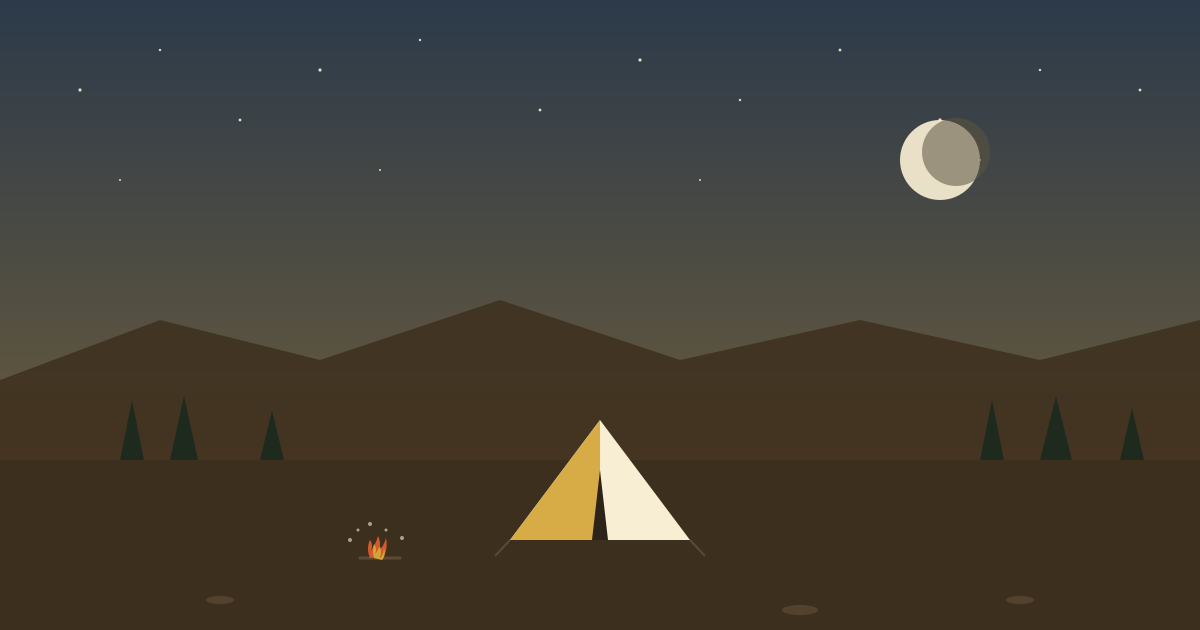
The Yurt That Cost Me $130 Too Much
I shoved a third fleece into my duffel before leaving Denver, convinced the Colorado high country would punish me for underestimating it. At 9,500 feet, the canvas glamping tent sat at the edge of a aspen grove—golden leaves already carpeting the ground. I’d packed for winter, not for the absurdly balmy afternoon that had me stripping to a t-shirt by check-in. That first trip cost me $310 a night, and I spent it sweating through layers I didn’t need while the campfire circle buzzed with families fighting over marshmallow sticks. The tent itself was gorgeous—the peaked ceiling, the brass bedframe—but the price stung worse than the altitude.
Six months later, I booked the exact same yurt. Same property, same size, same stove. But this time, late September—shoulder season. The price: $180 a night. A $130 savings. That’s 42% off. And the experience? Transcendent. The leaves were turning, the air was crisp, and I had the entire glamping meadow to myself.
This isn’t a hack. It’s a pricing-arbitrage method I’ve refined over a dozen off-peak stays. Here’s how you can do it, too.
Why Shoulder Season Works
Glamping properties—especially yurts, cabins, and domes—charge peak rates from Memorial Day through Labor Day. That’s when demand is highest. But the shoulder months—May, June (before schools let out), September, and October—offer a sweet spot of decent weather and deep discounts.
I’ve seen the same dynamic across the country. A yurt in Oregon that goes for $250 in August drops to $160 in early October. A cabin in the Smokies that’s $350 on July 4th goes for $200 in late May. The key is knowing when and how to book.
My Personal Shoulder-Season Playbook
1. Target “Off-Peak Pockets”
Most glamping sites have dynamic pricing that adjusts weekly. I look for “off-peak pockets”—dates that fall just before or after a major holiday, or midweek during shoulder months. For example, the week after Labor Day is often a ghost town. Prices plummet because families are back to school. I’ve booked a dome in Arizona for $195 the first week of September, when it would have been $340 in August.
2. Call the Property Directly
I never rely solely on booking platforms. I call the property and ask: “What are your quietest weeks in the fall?” or “Do you offer any shoulder-season discounts?” More than once, the front desk has offered me a rate lower than what’s listed online—especially if I’m booking midweek or last-minute. One site in Colorado knocked $75 off per night because I asked about “off-peak availability.”
3. Embrace the Weather
Yes, shoulder season means variable weather. I’ve been rained on in May and chilled in October. But I’ve also had perfect 70-degree days with stunning foliage. The trade-off is worth it. I pack a warm sleeping bag, an insulated pad, and a camp stove for cozy meals inside. Most yurts come with heaters, but I always confirm.
4. Check Cancellation Policies
Flexibility is key. Shoulder-season weather can turn. I only book properties with a free cancellation window—usually 48 hours. That way, if the forecast shows a monsoon, I can pivot. I’ve never actually needed to cancel, but the peace of mind is priceless.
Real Numbers from My Own Bookings
To show you this isn’t hypothetical, here are three concrete examples from my travel journal:
- Vermont yurt: July $310/night → September $180/night (saved $130)
- Oregon safari tent: August $280/night → October $175/night (saved $105)
- Texas bell tent: June $220/night → May $130/night (saved $90)
Each time, the experience was better—quieter, more intimate, with staff who had more time to chat. I felt like I had the place to myself.
Why This Matters for Your Glamping Budget
If you’re reading this, you probably love the idea of glamping but hate the price tag. I get it. Glamping isn’t cheap. But with a little planning, you can afford twice as many trips for the same money.
I now deliberately plan my glamping around shoulder season. I book yurts in late September, cabins in early May, and domes in October. I avoid July and August entirely unless it’s a special occasion. The savings fund my next trip.
A Word on Timing
Not all shoulder seasons are equal. Spring can be muddy, especially in mountain regions. Fall is more reliable—crisp days, clear nights, and stunning colors. I target September 15 through October 15 for most of the country. In the South, I extend into November. In the desert, I start in late February.
Check each region’s climate. The Florida shoulder season is different from Colorado. Research is your friend.
The Bottom Line
I’m not a bargain hunter by nature. I just learned that paying full price for glamping is optional. The same yurt that cost me $310 in July was $180 in September. The only difference was the date. The yurt, the views, the solitude—all the same.
So next time you’re planning a glamping trip, look at the calendar. Skip the peak. Embrace the shoulder. Your wallet—and your peace of mind—will thank you.
Got a question about off-peak glamping? Drop it in the comments or check out my other posts on yurts and cabins for more tips.
Frequently asked questions
What is shoulder season in glamping?
Shoulder season is the period between peak and off-peak—typically spring and fall. Weather is milder, crowds are thinner, and prices are often 30-50% lower than summer highs.
How much can I save glamping off-season?
I saved $130 on a single yurt—a 42% discount. Savings vary by location and property, but 30-50% off peak rates is common at many glamping sites.
When is the best time to book shoulder-season glamping?
Midweek in late September or early May. Avoid holidays and school breaks. I check calendars 6-8 weeks ahead and look for gaps between peak and holiday pricing.
What should I pack for shoulder-season glamping?
Layers! A warm sleeping bag, insulated pad, and extra blankets. Also bring a rain jacket and waterproof boots—weather can shift fast. Some sites provide heaters, but confirm ahead.
Are glamping sites open during shoulder season?
Many are, but not all. Some yurts close for winter or operate on reduced hours. Always check the property's calendar and policies. I only book sites with year-round or extended-season availability.
How do I find off-peak glamping deals?
Use price comparison tools, sign up for property newsletters, and search for 'shoulder season' or 'off-peak specials' on booking platforms. Direct bookings often have the best rates.
Is shoulder-season glamping worth the risk of bad weather?
Absolutely. The solitude and lower cost far outweigh the occasional rain or chill. I've had some of my most memorable trips in October—crisp air, starry skies, and few other guests.