Field notes
Safari Tent vs Cabin for a Group: Who Actually Sleeps
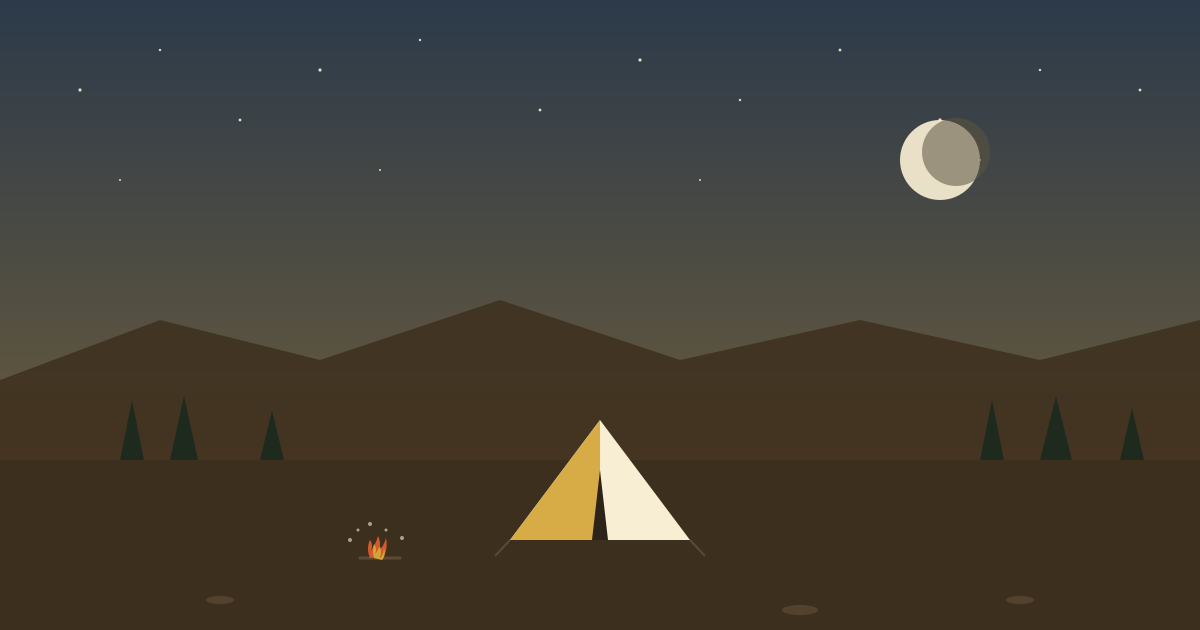
The Night We Learned Canvas Walls Don’t Muffle a Peep
The first sound I noticed at dusk was the zipper. Not mine—my friend Meg’s, three tents down, dragging open the canvas flap of her safari tent with a slow, metallic rasp that cut through the mountain quiet like a knife through cheese. I was sitting on the deck of my own tent near Asheville, watching the last light drain from the Blue Ridge, nursing a lukewarm rosé. The zipper stopped, then her voice floated out, clear as a bell: “If he doesn’t propose by New Year’s, I’m done.” I froze, realizing I could hear her exact syllables through the canvas walls, separated only by fifty feet of pine straw and the dusk air.
This wasn’t some cheap campground rental. This was a high-end glamping property near Gatlinburg, Tennessee, $300+ a night, with a king bed, en-suite bathroom, and a private deck. The website had promised “luxury with a side of adventure.” It delivered, until the side of adventure turned into the side of absolutely no acoustic privacy. That trip was my friend Jenna’s bachelorette weekend — five women, two safari tents, and a whole lot of resentment by checkout.
The Safari Tent: Dreamy Vibes, Awful Acoustics
I’ve stayed in over a dozen safari tents across the US, from the high desert of California to the rainy coast of Oregon. They’re beautiful: soaring canvas ceilings, wood floors, vintage rugs, and Edison bulbs. The design is meant to make you feel connected to nature. And it does. But it also connects you to every snore, giggle, and whispered secret within a 50-foot radius.
During that bachelorette weekend, we split into two tents: three in one, two in the other. My tentmate, Sarah, decided to catch up on work at 11 p.m. while I was trying to sleep. I heard every keyboard click. Then she got a call. I learned more about her client’s marketing strategy than any person should. The next morning, the other tent reported similar issues: one person’s early alarm (5:30 a.m. for a run, because bachelorette fitness?) woke everyone.
Tip #1: If you’re booking a safari tent for a group, check the layout. Some have internal canvas partitions that look like walls but are basically curtains. If you need real separation, look for tents with solid wooden partitions or separate standalone tents spaced at least 50 feet apart — and bring earplugs and a white noise machine.
Cabin: Solid Walls, Solid Sleep
A few months later, I organized a similar group trip — this time to a cabin in the Blue Ridge Mountains. The difference was night and day. Literally. The cabin had three bedrooms with doors that closed, real knobs, and walls that didn’t flap in the wind. One friend stayed up late watching TV in the living room; the rest of us slept soundly. Another friend had a loud phone call with her boyfriend; we heard nothing.
Cabins also handle temperature better. In the safari tent, even with the wood stove roaring, the edges of the tent were drafty. The cabin had central heating and thick insulation. I didn’t have to wake up to stoke a fire at 4 a.m.
Tip #2: For groups, consider a cabin with a “lock-off” layout — where bedrooms are separated by a common area or hallway. This reduces noise transfer further. Properties on /cabins often list square footage and bedroom distances. Look for those that have soundproofing mentions in reviews.
The Group Dynamics That Most Guides Ignore
Most glamping comparisons focus on amenities: hot tub vs. fire pit, king bed vs. queen. They ignore the stuff that actually determines whether your group will bond or break. Here’s what I’ve learned:
- Different sleep schedules: In a safari tent, an early riser’s morning routine (zipping, rustling, whispering) will wake the night owls. In a cabin, only if they’re in the same room.
- Couples vs. singles: If your group has couples, they’ll likely want privacy. Safari tents with shared sleeping lofts are a nightmare for intimacy. Cabins with separate bedrooms are better.
- Bathroom issues: Many safari tents have en-suite bathrooms, but the flush sounds travel. In one tent, every bathroom trip was a public event. Cabins usually have doors that muffle sound.
- Weather stress: If it’s storming, canvas tents amplify rain sounds. Some people love that; others can’t sleep. Cabins dampen noise.
- Space for hanging out: Safari tents often have a common area that’s also the bedroom. Once someone wants to sleep, everyone else has to be silent or go outside. Cabins have separate living rooms.
When to Choose a Safari Tent
I’m not anti-tent. For couples or solo travelers who value nature immersion over privacy, safari tents are magical. They’re also great for groups that all have the same sleep schedule and don’t mind hearing each other. If your group is all early-to-bed/early-to-rise, or all party-all-night types, a tent can work.
For example, I once stayed at a safari tent camp in Vermont with a friend, and we loved it — we both fall asleep instantly and sleep through anything. We also chose a property with tents spaced 100 feet apart, so we had our own bubble. Check /safari-tents for properties that emphasize spacing and solid interior walls.
When to Book a Cabin
If your group includes:
- A mix of early birds and night owls
- People who need quiet to sleep
- Couples wanting privacy
- Anyone who’s a light sleeper
- A desire for reliable temperature control
Then book a cabin. Look for /cabins that have at least as many bedrooms as couples or individuals who want privacy. Also read recent reviews for “noise” and “sleep” — you’d be surprised how many mention thin walls even in cabins.
The Verdict: Who Actually Sleeps?
On that bachelorette trip, the bride-to-be, Jenna, barely slept the first night. She was stressed about the wedding and the canvas walls amplified every sound. By day two, she was cranky, and the group vibes suffered. We ended up moving to a cabin for the third night (thankfully available) and she crashed for 10 hours straight. The rest of us also slept better. The moral: for groups, prioritize sleep over aesthetics.
Cabins aren’t perfect — some are shoddily built with thin walls too. But generally, solid construction beats canvas for sound and temperature control. If you must go tent, get separate, well-spaced units, and enforce a quiet-hours pact. Or just invest in good earplugs and a white noise app.
For my money, I’ll take a cabin every time for groups of 4+. The memories are better when everyone’s well-rested. And no one needs to know about anyone else’s 2 a.m. marketing calls.
Frequently asked questions
Which option is quieter for a group: safari tent or cabin?
Cabins are significantly quieter. Safari tents have canvas walls that transmit sound easily, so you'll hear every whisper, snore, and bathroom trip. If your group has early risers and night owls, book a cabin or multiple safari tents spaced apart.
Can you sleep in a safari tent without hearing other people?
Not really. Even with separate bedrooms inside a large safari tent, canvas partitions do little to block sound. Earplugs are essential. For real privacy, choose a cabin with solid walls.
Is a safari tent warmer than a cabin at night?
Safari tents can be cozy with wood stoves or heaters, but they lose heat faster than cabins, especially if it's windy or below freezing. Cabins with insulation and central heating maintain temperature more consistently.
Which is better for a bachelorette or bachelor party?
It depends on your vibe. Safari tents create a communal, adventurous atmosphere but lack privacy. Cabins offer separate bedrooms and soundproofing, allowing some guests to sleep while others party. I'd recommend cabins for larger groups with mixed sleep schedules.
Do safari tents have real doors and locks?
Most have heavy-duty zippers or canvas flaps with tie-backs, not solid doors. Some luxury tents have lockable wooden doors, but the norm is a zippered canvas opening. Cabins always have lockable doors.
How do bugs and critters compare between tents and cabins?
Safari tents are more exposed — insects, mice, or even larger animals can sometimes find their way in. Cabins, especially those on foundations, seal better. Always check reviews for pest issues.
Which is more spacious for a group: a safari tent or a cabin?
Safari tents often have open floor plans that feel spacious, but lack separate rooms. Cabins may have smaller common areas but provide multiple bedrooms, offering more actual private space. For flexible sleeping arrangements, cabins win.