Field notes
Seasonal Workers and the People Behind Your Glamping Stay
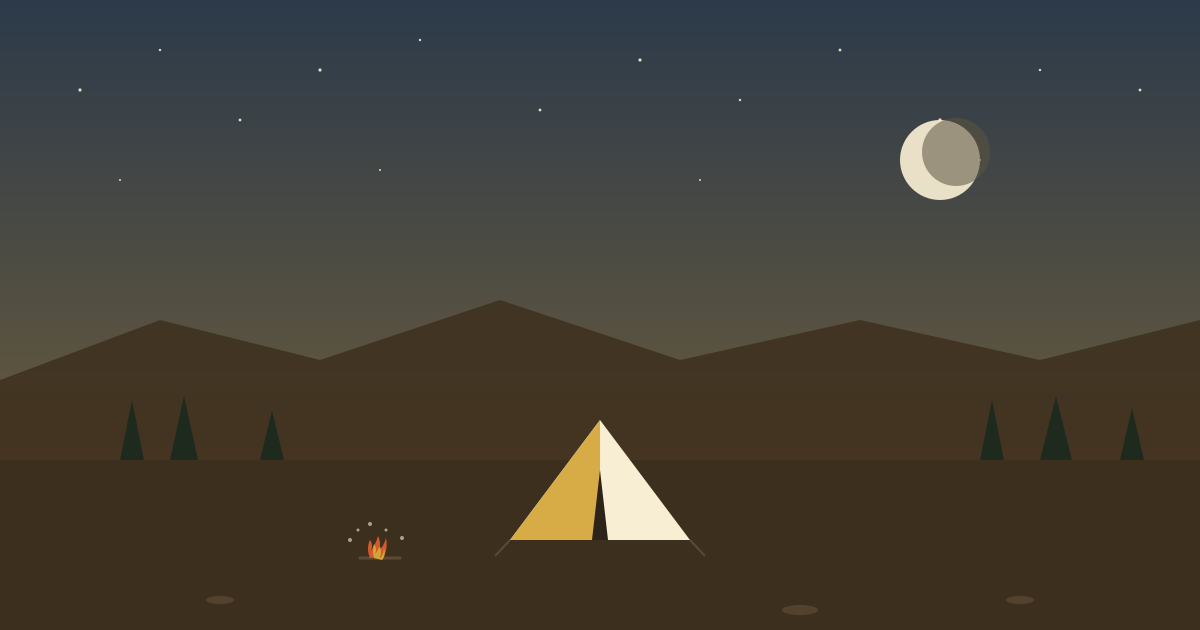
The silence after I turned the engine off was so complete I could hear my own pulse. In California’s Sierra foothills, the air smelled of dry pine and something metallic—old granite, maybe. I unzipped the tent flap to a canvas-walled cabin, expecting the usual canvas smell, but instead got cedar and cold earth. A single bare bulb swayed above a cot with a wool blanket so coarse it felt like sandpaper. I sat on the edge, listening to nothing. Not even wind. Just the weight of being alone in a place where no one was waiting for me. What I found changed how I travel.
What I found changed how I travel.
The caretaker—a woman named Maria in her late fifties, raincoat patched in three places—was already awake, brewing coffee. “Figured someone might be cold,” she said, handing me a mug. She didn’t wait for me to ask. She grabbed a toolbox, walked back with me through the rain, fixed the heater in ten minutes, and left with a smile. “Happens sometimes,” she said. “I’ll check on you tomorrow.”
That night, I barely slept. Not from the cold. But because I realized I had never thought about the people behind these stays. I had reviewed dozens of glamping properties—domes, treehouses, safari tents—always from a guest’s-eye view: bed comfort, shower pressure, Instagram-worthiness. I never considered the labor behind the luxury.
The Invisible Workforce
Maria wasn’t unique. Over the next year, I made a point of talking to workers at every glamping site I visited. From a college student in Florida who cleaned six bell tents daily to a retired couple in Oregon managing an entire yurt village, the pattern was the same: long hours, isolated living, and a passion for hospitality that went unnoticed.
Most glamping properties are seasonal. That means a revolving door of staff who leave their families for months to live in cramped quarters—shipping containers, converted barns—so guests get a hot shower and a memory-foam mattress under the stars. The pay is rarely generous. The work is physical: hauling linens, fixing plumbing, driving into town for propane, answering midnight calls about a raccoon in the trash.
And yet, they do it with a warmth that surprises me year after year. One caretaker in Colorado told me, “I stay because I love watching people’s faces when they see the sunrise over the mountains. That never gets old.” Another, in Texas, took the job after retiring: “I wanted to be useful. And I get to live outside.”
The Conversation That Changed Everything
The real turning point came at a dome site in Washington. I arrived late, exhausted from a long drive. I accidentally left the dome door open while I unpacked. Within an hour, a family of mice had invaded my stash of granola bars. I was frustrated. When the caretaker—a wiry man named James—came to help, I apologized for the trouble. He laughed.
“Don’t worry about it. This is my third season. I’ve seen way worse.”
We sat on the deck as he told me about his life: how he traveled the country taking caretaker jobs, saved money during summer to spend winters in Baja, had no health insurance and no retirement plan. He loved the work. But he was honest about the costs.
“The hardest part,” he said, “is that guests see the finished product. They don’t see the hours hauling water up a hill or fixing a generator at 2 AM. They leave reviews about the Wi-Fi speed, not that we drove an hour to get the router fixed.”
That conversation stuck with me. I started noticing the little things: the perfectly split firewood, the clean paths, the note on the counter with a local hiking recommendation. None of it was automatic. All of it came from someone’s effort.
How I Changed My Tips and Reviews
Since that night in Washington, I’ve adopted two practices I believe make a difference. First, I always tip in cash, directly to the person who cleans my accommodation or brings me firewood. Digital tips go into a pool and may not reach the people who actually did the work. A $20 bill, handed with a thank-you, is tangible and personal.
Second, I name people in my reviews. Instead of “the staff was great,” I write “Maria, the caretaker, noticed my heater was broken and fixed it within minutes. She also recommended the best hiking trail in the area.” Those specific shout-outs recognize the worker and inform the owner about who’s performing well. Multiple caretakers have told me owners read reviews carefully—a named mention can lead to a raise or bonus.
The Human Cost of Glamping
None of this is meant to shame the industry. Many owners treat their staff well—paying above minimum wage, offering housing, even providing health benefits. But the glamping boom has attracted investors who see it as a quick profit, sometimes cutting corners on labor. The result: a workforce that feels undervalued.
At a safari tent property in Arizona, a young woman named Chloe told me she worked seven days a week for two months straight during peak season. “I love the place,” she said. “But I’m exhausted. I don’t even have time to enjoy the view I’m maintaining.” She quit three weeks later.
Turnover is high. That means less experienced staff, which affects guest experience. The irony: the better the staff, the more likely they are to be poached or burned out. As travelers, we can help break that cycle.
Practical Tips for the Conscious Glamper
- Ask about the staff. When you check in, say, “I’d love to meet the person who takes care of the grounds or the tents.” Most properties will introduce you. A little interest goes a long way.
- Bring a small gift. I know a couple who always bring a bag of good coffee or a six-pack of local beer for the caretaker. A gesture that says, “I see you.”
- Be patient. If the Wi-Fi is slow or the hot water runs out, remember the person fixing it is probably also the one who made your bed and restocked the firewood. A kind word costs nothing.
- Write a thoughtful review. Beyond naming staff, mention amenities that required human effort—a freshly painted deck, a stocked pantry, a welcoming campfire. That feedback helps workers advocate for better resources.
A New Lens for Travel
I still love glamping. The yurts in Vermont, the treehouses in North Carolina, the domes in Colorado—each has its own magic. But now I see it differently. The luxury isn’t just the king-size bed or the private hot tub. It’s that someone hauled that hot water up a hill, checked the propane levels at dawn, left a flashlight on the nightstand in case you needed to find the bathroom in the dark.
That rainy night in Vermont was a gift. Maria didn’t just fix my heater; she showed me a side of the industry I had ignored. She worked the season, then moved to a site in Maine. I don’t know where she is now, but I think of her every time I tip a caretaker or write a review.
The next time you unpack your bags in a dome or a safari tent, take a moment to think about the hands that made it possible. And if you see a person in a patched raincoat walking through the rain, offer them a cup of coffee. They’ve earned it.
Frequently asked questions
Who are the workers behind glamping sites?
They're often seasonal workers—college students, retirees, nomads—who handle maintenance, guest services, and emergencies. Many live on-site in modest quarters, working long hours for modest pay.
How can I support glamping staff during my stay?
Tip in cash if possible (many split digital tips among management), leave a detailed review naming helpful staff, and be patient with minor issues—they're often overworked.
What's a common behind-the-scenes glamping job?
Caretakers or 'camp hosts' handle everything from fixing leaks to chopping firewood to driving guests to the nearest ER. They're the Swiss Army knives of the property.
Why do glamping workers leave after a short season?
Seasonal burnout is real. Many love the lifestyle but move on due to low wages, isolation, or lack of benefits. High turnover means you may meet new faces every season.
Is it appropriate to ask staff about their lives?
Yes, if done respectfully. Many enjoy sharing their stories, but avoid prying during busy hours. A simple 'How long have you been here?' can open a meaningful conversation.
What's one thing guests often get wrong about glamping staff?
That they're just 'lazy' or 'hippies.' In reality, most work 60+ hour weeks in remote conditions, often sacrificing personal comfort to ensure your luxury experience.
How does the owner-worker dynamic affect my stay?
Owners often live off-site or manage multiple properties. Workers feel the pressure to keep reviews high, which can lead to stress. A kind word goes a long way.