Field notes
Glamping While Pregnant: What I Wish Someone Had Told Me
The Night I Realized I Wasn’t Just Sleeping Outside
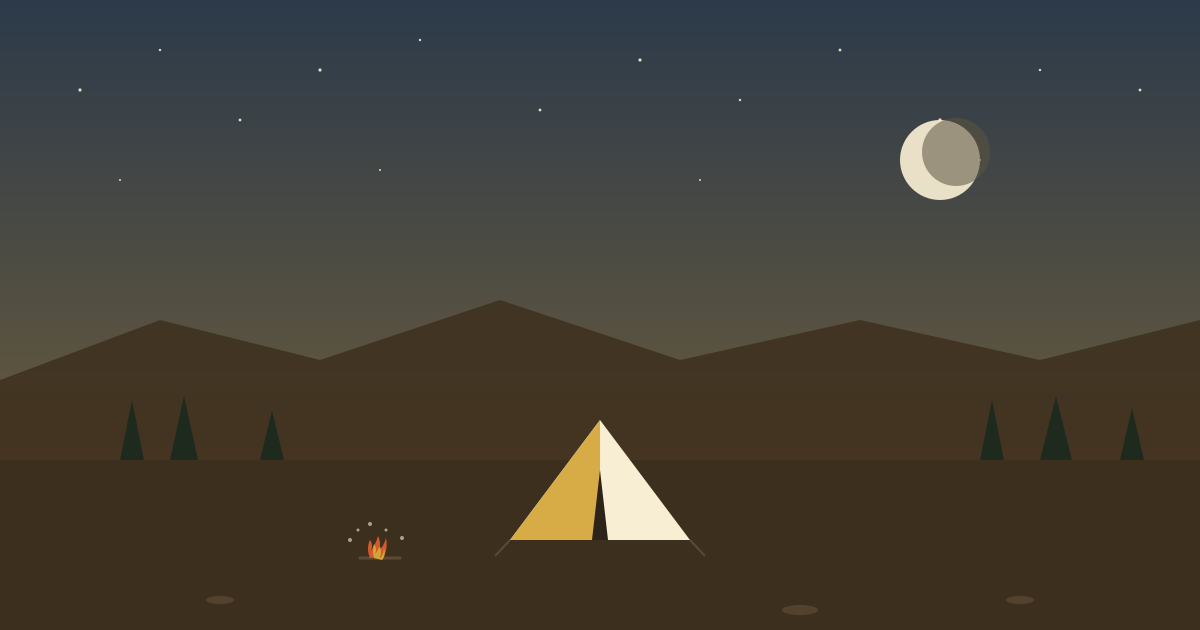
The engine died, and the silence that rushed in was so absolute it felt like a pressure change, like my ears were popping. We’d rolled into the Sierra foothills an hour after sunset, and now, standing beside the idling Subaru, I could hear my own pulse. I was five and a half months pregnant, and the only lights were the dome of stars overhead and a single lantern glowing inside our canvas tent, thirty yards away. It looked perfect. I grabbed the duffel, and immediately my lower back seized up, a low, insistent ache I’d been ignoring for the last hundred miles.
I’d always been an avid camper. But pregnancy rewrites every rule. That night, I vowed to never again assume my pre-pregnancy glamping know-how would carry me through. Here’s what I learned—the hard way—so you don’t have to.
The Second Trimester: The Only Window That Makes Sense
Let’s be blunt: first trimester glamping is a nightmare of nausea and exhaustion. Third trimester is a logistical puzzle of back pain and waddling. The second trimester (weeks 14–27) is your sweet spot. I planned our trip at 22 weeks, just before my energy dipped and my belly turned into a bowling ball.
Even then, I made rookie mistakes. I thought “glamping” meant someone else did the heavy lifting—and they did, kind of. But the mattress was a thin foam pad on a platform. The bathroom situation was romanticized as “rustic.” My back seized up by day two. I’d brought a sleeping bag rated for 20°F, but my pregnant body overheated and needed vents. I hadn’t packed a pregnancy pillow because I thought it would be too bulky. I was wrong.
What I’d Change: The List I Wish I Had Before I Left
1. Bathroom Proximity Is Not a Luxury—It’s a Medical Necessity
During pregnancy, you pee. A lot. And not on a schedule. At night, multiple times. If the bathroom is a five-minute walk in the dark, it becomes a miserable ordeal. My advice: book a glamping unit with a private bathroom. If that’s not possible, at least choose a site where the bathroom is within 50 feet on a flat, lit path. I now swear by /cabins with ensuite bathrooms or /yurts with dedicated facilities. Trust me—every extra stride is a gamble.
2. Bring Your Own Bed Support
Most glamping accommodations provide a bed, but that bed is usually a firm mattress on a wooden platform. For a pregnant body, that’s a torture device. I brought a 3-inch memory foam topper from home—rolled up and compressed—and it was a game-changer. Also: a U-shaped pregnancy pillow. I wedged it under my belly and between my knees. Without it, I would have been up every hour. If you can’t bring a topper, at least ask the host if they have extra blankets to pad the bed.
3. Temperature Control Is a Joke (Unless You Prepare)
Pregnancy makes you a walking furnace, then suddenly freezing. Our bell tent had a wood stove, but by 2 AM the fire had died, and I was shivering. Next time, I’d book a place with electric heat or at least bring a heated blanket (that runs on a generator or battery pack). I also recommend a fan—yes, even in cold weather—because hot flashes don’t care about the forecast. Check out /domes which often have better insulation than canvas tents.
Bespoke Tips You Won’t Find on a Listicle
Tip 1: The “Midnight Bucket” Hack
Even with a nearby bathroom, I kept a small camping bucket with a lid and a pack of disposal bags next to the bed. It sounds crude, but it saved me more than once when a bathroom visit felt impossible. Just line it with a bag, use it, seal it, and dispose in the morning. No shame.
Tip 2: The First-Hour Ritual
When you arrive, spend the first hour fully setting up your sleeping area—pregnancy pillow in place, water bottle filled, easy snacks within reach, and a clear path to the door. Do not unpack anything else until your bed is perfect. The first night sets the tone for the whole trip.
The Unexpected Wins
Despite the rough start, we had beautiful moments. Morning coffee on the deck while a mist lifted off the lake. The quiet of a forest at dusk. I even managed to do a little photography, which is my passion. The key was adjusting expectations: I wasn’t going to hike five miles; I was going to sit by the fire and read. And that was enough.
If you’re pregnant and considering glamping, do it—but do it smart. And if you’re in the second trimester, don’t let anyone scare you off. Just pack like you’re moving into a very small, very cold apartment with a tiny bathroom. Or better yet, book a /yurt with a wood stove and a private outhouse. You’ll thank me when you’re waking up to birdsong instead of a flashlight walk of shame.
Final Takeaway
Glamping while pregnant is possible, memorable, and even magical—if you plan for the reality of a pregnant body. Respect your needs, over-prepare for comfort, and don’t be afraid to ask for help. The wilderness will still be there after the baby comes. For now, let yourself glamp in a way that honors both you and the little one growing inside.
For more tips on choosing the right accommodation, explore our guides to /bell-tents and /airstreams.
Frequently asked questions
Is glamping safe during pregnancy?
Yes, with precautions. Choose sites with easy access to bathrooms, avoid extreme heat, and bring supportive bedding. Always check with your doctor first.
What trimester is best for glamping?
The second trimester is ideal—morning sickness often subsides, and you’re not too big to move comfortably. Avoid third trimester unless you’re very close to home.
How do I handle bathroom needs while glamping?
Book a glamping unit with a private bathroom or at least a short walk to a clean restroom. Bring a portable toilet or night bucket for emergencies. I learned this the hard way.
What kind of glamping accommodation is best for pregnancy?
Cabins or yurts with solid floors, insulation, and a real door are best. Avoid tents or platforms that require climbing. Check our /yurts and /cabins for ideas.
What should I pack for glamping while pregnant?
Bring a pregnancy pillow, extra blankets, comfortable shoes with grip, electrolyte packets, and a fan. Also pack a first-aid kit with Tylenol and antacids.
Can I eat campfire food while pregnant?
Yes, but avoid raw or undercooked meats, unpasteurized cheeses, and anything that might cause foodborne illness. Stick to well-cooked meals and safe snacks.
How do I sleep comfortably while glamping pregnant?
Invest in a good mattress topper or bring a camping pad. Use pillows to support your belly and between your knees. If the bed is too firm, ask for extra blankets to cushion.