Field notes
Month-by-Month Glamping in the Northeast
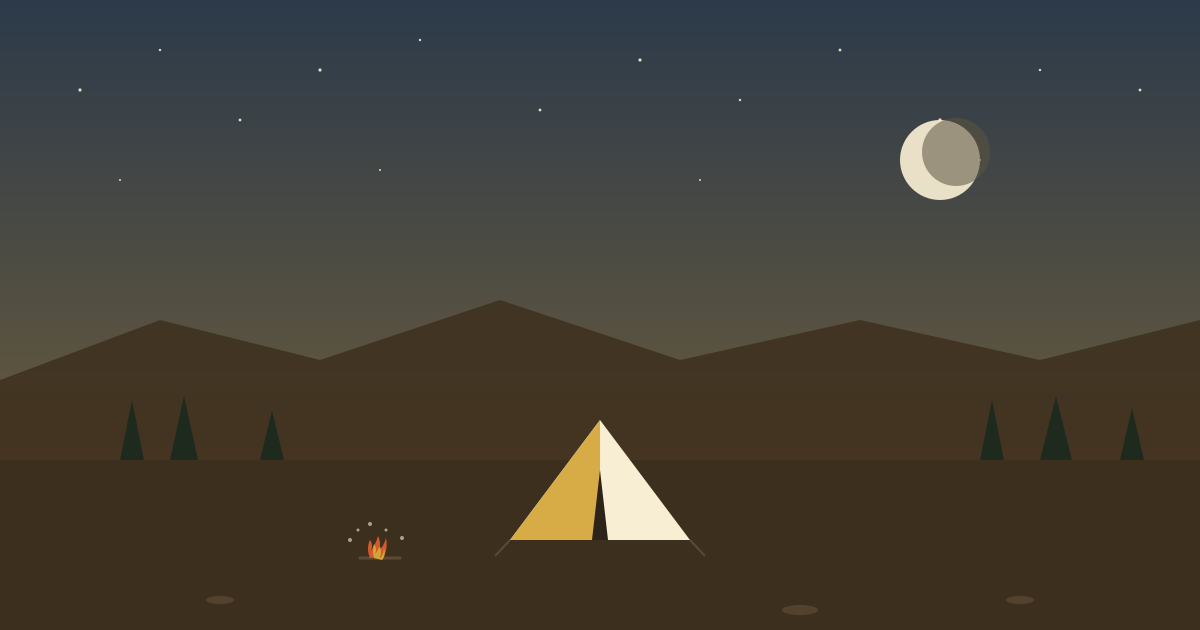
The dark in the north Georgia mountains isn’t like city dark, where streetlights bleed through blinds. It’s absolute—a velvet weight that swallows your hand inches from your face. I’d zipped myself into what the website called a “canvas cabin” near Blue Ridge, expecting romance. Instead, I lay rigid, listening to something scratch at the tent’s corner. Not a raccoon. Something smaller, more persistent. My phone’s flashlight revealed a single word carved into the wooden floor: “Sorry.” That trip taught me gospel: the Northeast has a tight, almost cruel season for comfortable glamping. From mud season to blackfly Armageddon to those six perfect weeks to foliage chaos to the shoulder—every month demands a different strategy. Here’s my month-by-month breakdown, forged in failed trips and glorious successes.
That trip taught me gospel: the Northeast has a tight, almost cruel season for comfortable glamping. From mud season to blackfly Armageddon to those six perfect weeks to foliage chaos to the shoulder—every month demands a different strategy. Here’s my month-by-month breakdown, forged in failed trips and glorious successes.
April: Mud Season. Just Don’t.
Most glamping sites don’t open until mid-May for a reason. The ground is a sponge, trails are impassable, and the risk of hypothermia is real. If you absolutely must go, choose a cabin on stilts in a dry location—and bring waterproof boots up to your knees. Even then, you’ll likely face closures. Stick to planning your summer trip instead.
May: The Blackfly Gauntlet
May is the month of false hope. The weather can be stunning—70°F, blue skies—but then the blackflies hatch. These tiny demons swarm in clouds, biting any exposed skin. I’ve seen otherwise sane campers flee after ten minutes. The trick: go to the coast. Maine’s shore, from Acadia down to Portland, gets sea breezes that keep flies at bay. Inland, bring a head net and Picaridin. Some high-end glampsites offer screened tents, which are worth their weight in gold. Time it right (late May) and you catch the tail end of spring and the start of the sweet window.
June: The Sweet Spot Begins
June is the Northeast’s glamping pinnacle. The bugs are manageable (mosquitoes replace blackflies, but they’re less aggressive), temperatures hover in the 70s, and the crowds haven’t arrived. I’ve had perfect stays at glamping in Greenville, Maine, where the sunset over Moosehead Lake turned the sky orange and purple, and the only sound was loons. Book early—prime weekends go fast. Pro tip: choose a site with a lake or pond. The water helps regulate temperature and adds a natural sound machine.
July: Fireworks and Crowds
July is peak season. Expect full occupancy, higher prices, and families everywhere. The upside: swimming weather, long days, and fireworks displays near many glamping resorts. The downside: heat waves can make canvas tents feel like ovens. Look for sites with air conditioning or at least cross-ventilation. The White Mountains of New Hampshire are cooler than the valleys—glamping in North Conway, New Hampshire offers mountain breezes. But prepare for traffic on the Kancamagus Highway.
August: Humid but Bearable
August is July’s sweaty cousin. Humidity peaks, especially in southern New England. I avoid inland valleys and head to the coast or higher elevations. Maine’s Acadia region is a godsend—I’ve glamped in a yurt near Bar Harbor, where the fog rolled in and cooled everything by 15 degrees. Another hack: choose a site with a swimming hole or river access. Late August brings the Perseid meteor shower, which is spectacular from a dark-sky glamping spot. Just bring a fan.
September: Six Perfect Weeks, Part Two
September is the second sweet spot. The crowds thin after Labor Day, the humidity breaks, and the nights get crisp. This is my favorite time to glamp in New England—warm days and cool nights, perfect for a campfire. The foliage starts in the far north (Maine’s Moosehead region) by late September. For the best experience, book a cabin or yurt with a wood stove; the chill makes the fire feel necessary, not just decorative. I have a whole guide on glamping in New England’s six-week window that goes into depth on this period.
October: Foliage Frenzy
October is peak leaf-peeping season, and every glamping site within 100 miles of a scenic drive is booked solid. Prices skyrocket. The weather can be erratic—I’ve had 80°F days and snow flurries in the same week. The key is to plan for cold nights: bring a 20°F sleeping bag, insulated sleeping pad, and warm base layers. Choose a site with electric heat or a fireplace. The upside: the colors are worth it. I once glamped in a safari tent in Vermont’s Northeast Kingdom, and the view from my bed was a kaleidoscope of red and gold. But expect to share the experience with thousands of other photographers.
November: The Quiet Shoulder
November is the forgotten month. Most glamping sites close by mid-October, but a few hardy ones remain open. The weather is cold (40s and 50s during the day, below freezing at night), but the solitude is unmatched. I’ve had entire state parks to myself. The catch: you need a heated cabin or a very good sleeping bag. Some places offer off-season rates half of summer prices. If you’re a masochist like me, you’ll love it. Just make sure your site has water—some turn off the spigots to prevent freezing.
December–March: Winter Glamping
Yes, you can glamp in winter. The Northeast has a robust winter glamping scene, especially in Vermont and New Hampshire. Heated yurts, canvas tents with wood stoves, and even geodesic domes are available. The experience is magical—snow muffles all sound, and the stars are brilliant. But it’s not for the faint of heart. You need to know how to build a fire, dress in layers, and keep your water from freezing. I highly recommend checking out our winter camping guide for essential gear. Top spots include Vermont’s Nordic huts—ski-in only—and Maine’s heated bell tents near Sugarloaf.
The Northeast’s glamping season is a precious, narrow window. Miss it, and you’ll be cold, wet, or eaten alive. But when you hit it right—say, a June evening on a Maine lake with a glass of wine and the smell of pine—it’s worth every muddy, buggy, overpriced mistake I ever made.
Frequently asked questions
What is the best month for glamping in the Northeast?
Late May through early July—the six sweet weeks before heat and crowds. Mild weather, low bugs, wildflowers.
Is April too early for glamping?
Yes, unless you love mud. Many sites don’t open until mid-May. If you go, bring waterproof boots and a sense of humor.
How bad are blackflies in New England?
In May, they can be relentless. Avoid river valleys and bring a head net. Maine’s coast is slightly better.
Can you glamp in the Northeast in winter?
Yes, in heated cabins or yurts. Top spots: Vermont’s Nordic huts or New Hampshire’s heated domes. Pack layers.
What should I pack for fall foliage glamping?
Warm sleeping bag (20°F rated), insulated pad, gloves, and a hat. Afternoon sun is warm, but nights dip below freezing.
Are reservations needed far in advance?
Absolutely for June–October. Prime weekends book 6 months ahead. Shoulder seasons have last-minute availability.
Which state has the best glamping in the Northeast?
Maine for remote wilderness, Vermont for rustic charm, New York’s Catskills for luxury. Depends on your vibe.